Every year, design evolves to reflect not just aesthetics, but culture, technology, and human needs. In 2026, the pace of change is accelerating, with innovation reshaping how we create and how audiences engage. For designers, this year is less about following a single dominant style and more about embracing flexibility, experimentation, and responsibility.
Here’s your guide to the key trends that will define design in 2026.
1. Personalized Design at Scale
AI-powered tools are making it possible to design experiences that feel uniquely tailored to every user. Interfaces that adapt to preferences, packaging that changes based on context, and dynamic branding that shifts across platforms are becoming the norm.
Why it matters: Personalization is no longer just about convenience—it’s about creating a sense of belonging in a crowded digital world.
2. The Rise of Immersive Realities
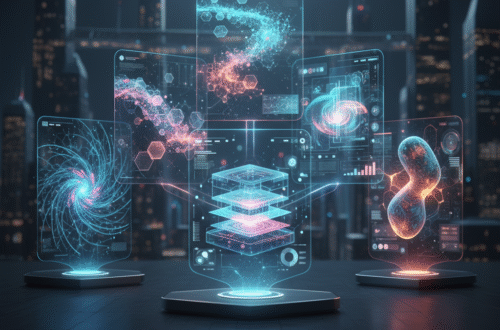
AR, VR, and XR are no longer experimental—they’re embedded in everyday life. From virtual retail environments to augmented productivity tools, mixed-reality experiences are becoming a standard design canvas.
Why it matters: Designers need to think spatially, crafting experiences that extend beyond the flat screen into interactive, multisensory environments.
3. Bold Maximalism
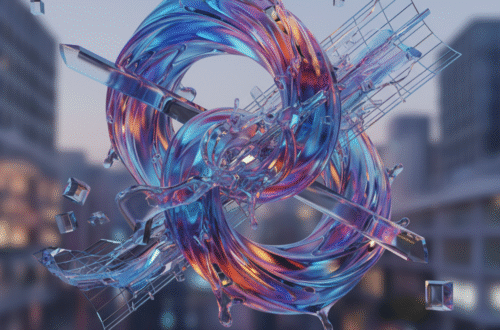
The restrained aesthetics of minimalism are giving way to rich, layered, and unapologetically bold designs. Expect saturated colors, dramatic typography, intricate patterns, and visual storytelling that demands attention.
Why it matters: In a sea of digital content, maximalism offers personality and memorability—qualities brands can’t ignore in 2026.
4. Ethics-First Creativity
Sustainability, accessibility, and inclusivity are moving from optional features to core expectations. Designers are tasked with considering the environmental impact of materials, ensuring digital experiences are accessible to all, and representing diverse voices and identities authentically.
Why it matters: Ethical design builds trust, loyalty, and long-term cultural relevance.
5. Human–AI Partnerships
AI is no longer a novelty—it’s a collaborator. Designers are using generative AI to spark ideas, accelerate iteration, and push creative boundaries, while human vision ensures meaning and storytelling remain at the center.
Why it matters: The strongest designers of 2026 won’t resist AI—they’ll learn to direct it as an extension of their creativity.
Final Thoughts
The trends shaping 2026 remind us that design is more than decoration—it’s a force for connection, innovation, and progress. This year, successful creatives will be those who embrace new technologies, design responsibly, and aren’t afraid to experiment boldly.
For designers everywhere, 2026 is the year to not just keep up—but to lead.